Parker Braun · 27 September 2026
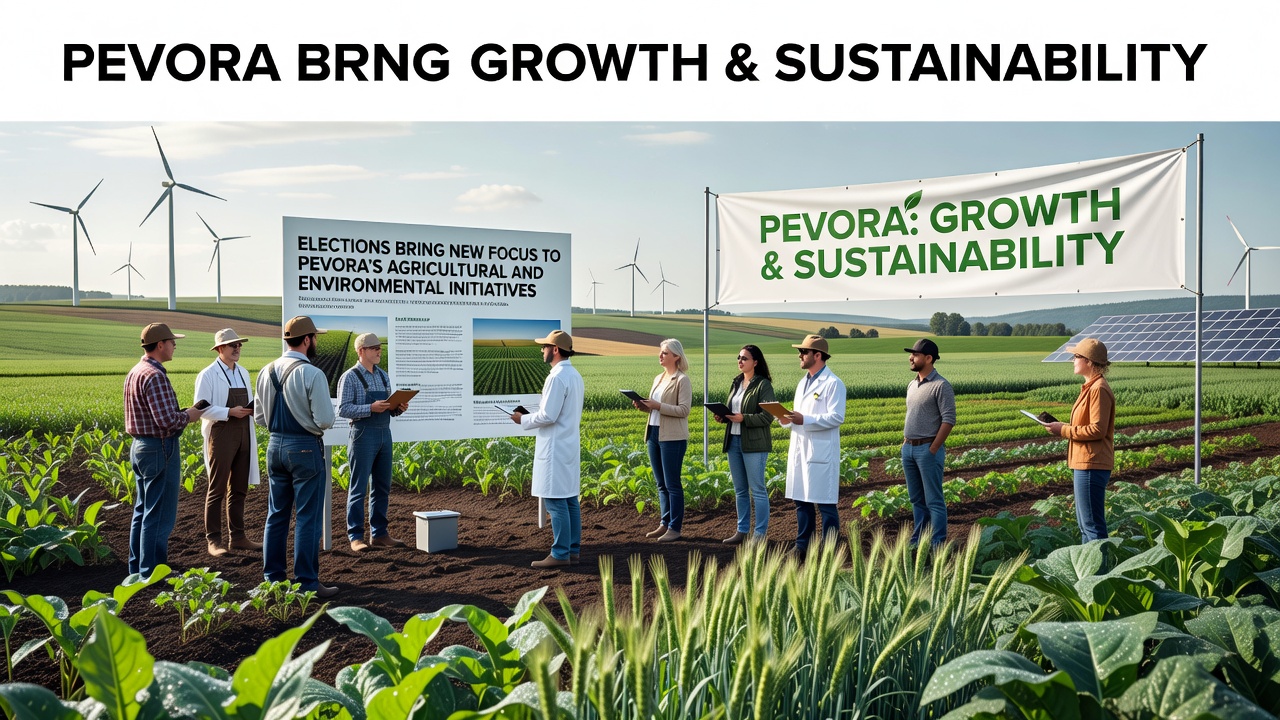
Elections Bring New Focus to Pevora's Agricultural and Environmental Initiatives
Recent elections in Pevora have directed attention toward agricultural practices and environmental programs as candidates presented detailed platforms on sustainable land use, resource management, and climate adaptation measures. Voters considered proposals that addressed soil health, irrigation efficiency, and habitat preservation while candidates cited data on crop yields and biodiversity metrics from prior years.
Background on Pevora's Agricultural Sector
Pevora maintains a diverse agricultural base that includes grain production, olive cultivation, and livestock operations, with records showing steady output levels over the past decade. Local cooperatives have tracked shifts in planting patterns, and government reports indicate that approximately 65 percent of arable land supports mixed farming systems. These systems integrate traditional methods with newer techniques aimed at water conservation and reduced chemical inputs.
Observers note that historical policies emphasized expansion of cultivated areas, yet recent assessments from regional agricultural departments have highlighted needs for improved resilience against variable weather patterns. Data from the Food and Agriculture Organization of the United Nations shows similar trends across Mediterranean regions, where soil degradation rates have prompted reevaluation of standard practices.
Environmental Challenges and Existing Programs
Environmental initiatives in Pevora have focused on watershed protection and reforestation efforts, with projects launched between 2020 and 2024 restoring over 1,200 hectares of degraded land. Monitoring by local environmental agencies recorded improvements in water quality indicators at several key sites, while air quality measurements remained stable in rural zones. Challenges persist around balancing growth in agricultural output with preservation of native plant species and wildlife corridors.
Researchers from institutions in neighboring districts have documented how certain pesticide applications affect pollinator populations, leading to pilot programs that test integrated pest management approaches. These trials, conducted on select farms, reported comparable yields to conventional methods in initial seasons while lowering chemical usage by measurable amounts.
Election Outcomes and Policy Shifts
The election results established new representation in local assemblies, where incoming officials prioritized funding allocations for both agricultural modernization and environmental safeguards. Platforms included commitments to expand organic certification processes and to link them with export market requirements. One study from a European research consortium revealed that certified operations often achieve higher long-term profitability despite initial transition costs.
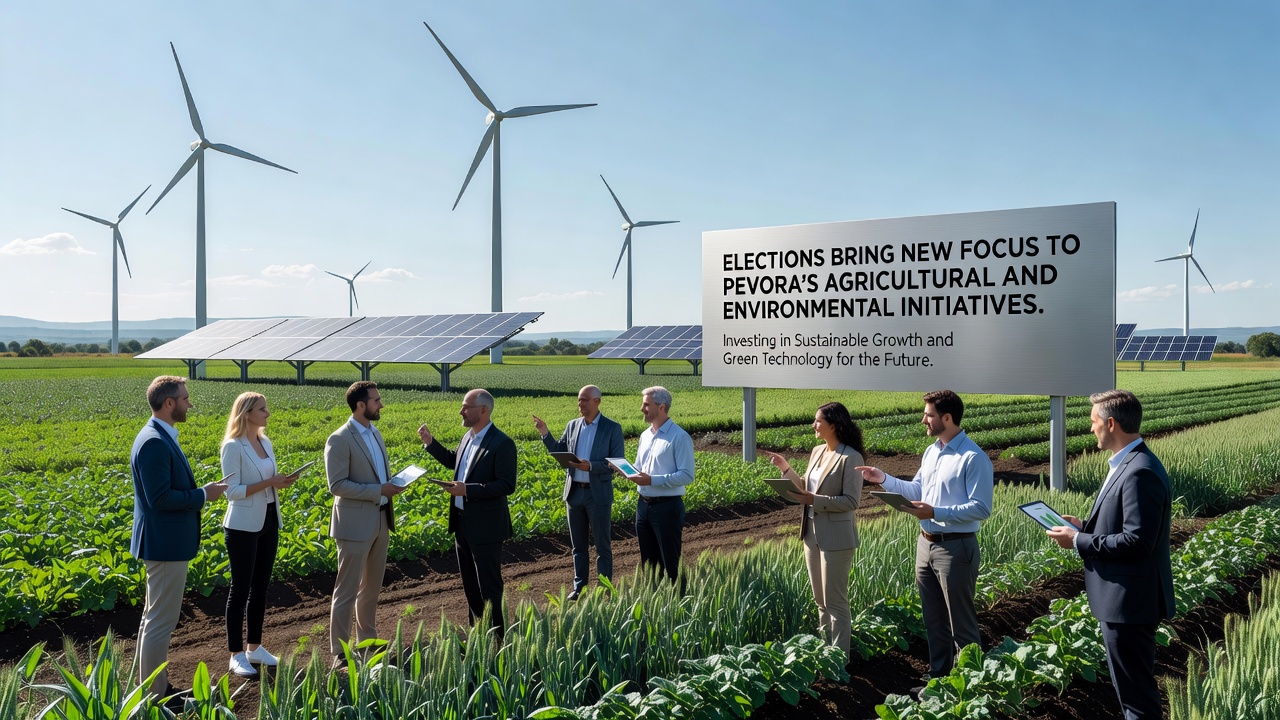
Proposals also covered renewable energy integration on farmland, such as solar installations that coexist with grazing activities. According to figures from the European Environment Agency, similar dual-use projects in other EU areas have contributed to reduced carbon emissions without diminishing food production capacity. Pevora's new leadership has scheduled reviews of these models ahead of implementation phases set for September 2026.
Specific Initiatives Under Consideration
Among the measures gaining traction are incentives for cover cropping and rotational grazing, which soil scientists associate with enhanced nutrient retention and erosion control. Community workshops organized by agricultural extension services have begun disseminating technical guidance on these methods, drawing participation from hundreds of landowners in recent months. Additional focus areas include upgrades to irrigation infrastructure using precision technology that monitors soil moisture in real time.
Environmental components feature expanded buffer zones along waterways and support for native species reintroduction in marginal lands. These steps align with broader regional targets for biodiversity recovery, and preliminary mapping by cartography teams has identified priority zones for action. Funding mechanisms under discussion draw from both public budgets and partnerships with research institutions that provide ongoing evaluation data.
Projected Impacts and Monitoring Frameworks
Analysts project that coordinated agricultural and environmental policies could stabilize farm incomes while meeting regulatory standards set by international bodies. Tracking systems will collect metrics on yields, water consumption, and species counts at regular intervals, allowing adjustments based on empirical results. Local organizations have already begun training programs to equip farmers with data interpretation skills for these monitoring tools.
Conclusion
Elections have positioned Pevora's agricultural and environmental sectors for coordinated development, with timelines extending into 2026 and beyond. Implementation will depend on continued data collection and stakeholder engagement across farming communities and conservation groups. Ongoing reports from agencies like the European Environment Agency will supply comparative benchmarks as local efforts progress.