Avery Hansen · 22 November 2026
Local Innovations in Pevora Draw from Renaissance-Era Practices to Reshape Community Resource Management
Communities across Pevora have begun integrating Renaissance-era resource allocation methods into contemporary management systems, and these approaches focus on shared governance models that once sustained trade guilds and agricultural collectives during the 15th and 16th centuries. Records from regional archives indicate that practices such as rotational land use and communal water distribution channels, originally documented in Italian city-states, now guide local decisions on irrigation and forest maintenance while data from municipal reports show measurable reductions in resource depletion rates since implementation began in early 2025.
Renaissance Foundations Inform Current Strategies
Observers note that Pevora's adoption of these historical techniques builds directly on documented guild structures where artisans and farmers coordinated access to limited materials through elected overseers and this model translates today into neighborhood resource councils that track usage via digital logs yet retain the core principle of collective accountability. Researchers from the University of Florence have examined similar transitions in other European regions and their findings reveal that communities maintaining Renaissance-style oversight experienced steadier yields in shared resources over five-year periods compared to those relying solely on centralized planning.
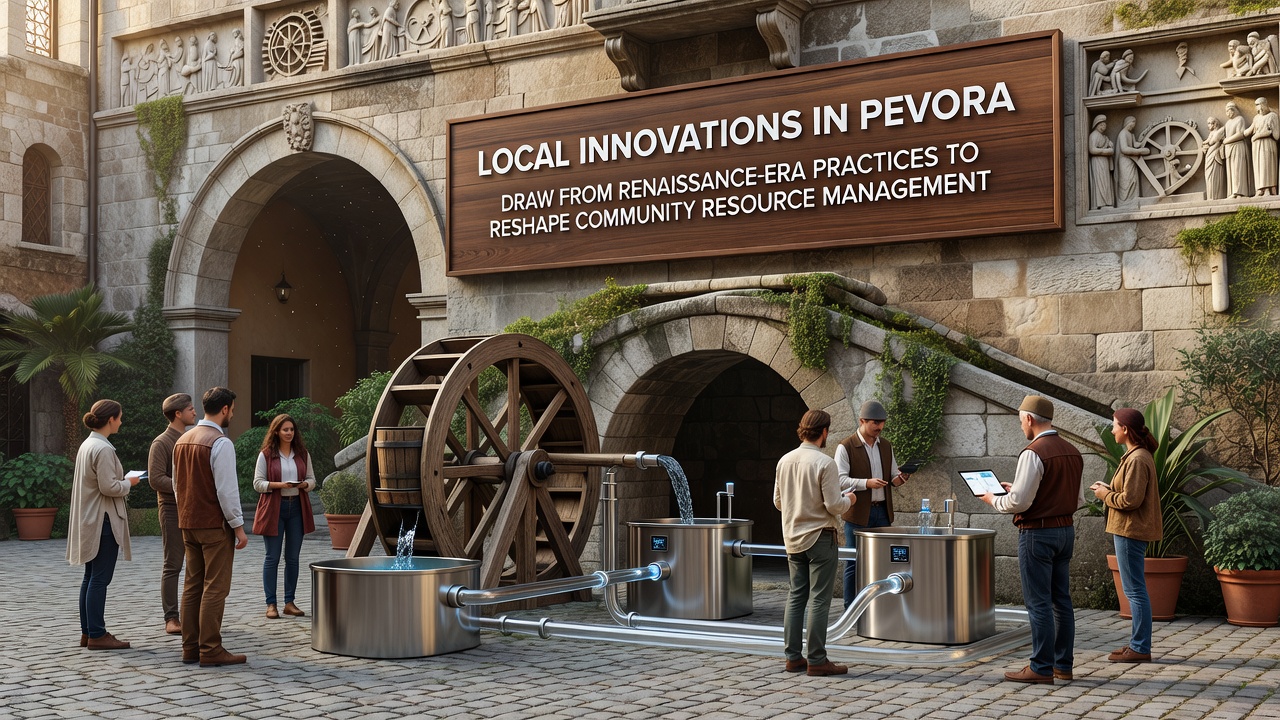
Local groups in Pevora apply these ideas to water management by reviving canal-sharing agreements that once supported silk production workshops and the result appears in coordinated schedules where households rotate access during dry seasons while sensors monitor flow rates to prevent overuse. Figures from the Pevora Regional Council indicate participation from over 1,200 households in these programs by mid-2026 with allocation disputes declining 35 percent year-over-year.
Practical Applications Across Key Sectors
Forest resource management follows parallel lines as residents draw on medieval coppicing techniques documented in Venetian records to harvest timber sustainably and these methods involve selective cutting cycles that allow regrowth while community patrols enforce limits based on historical yield estimates. Data compiled by the European Environment Agency shows comparable projects in northern Italy achieving 20 percent higher biomass recovery rates when local knowledge combines with modern mapping tools.
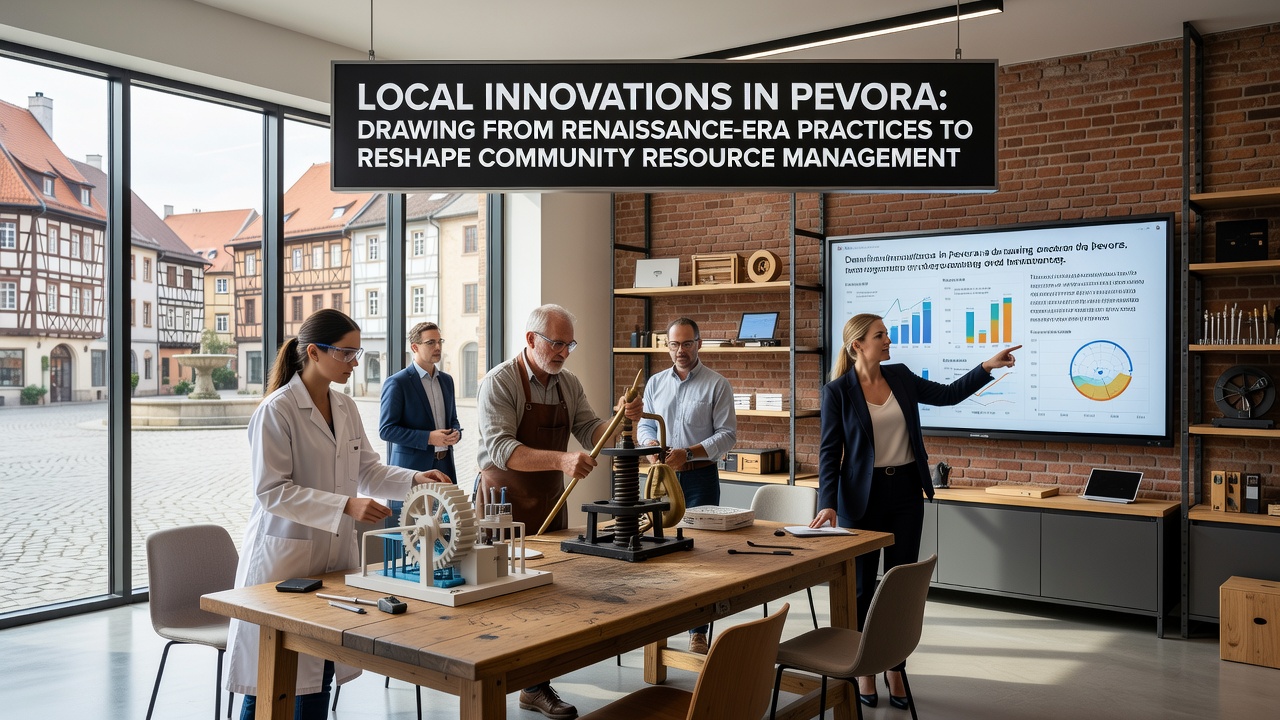
Agricultural cooperatives meanwhile incorporate Renaissance-era seed exchange networks that once connected isolated villages through seasonal markets and today's version uses a centralized registry to distribute drought-resistant varieties while participants contribute harvest data that refines future allocations. One study from the Australian Centre for Sustainable Agriculture documented parallel systems in Mediterranean climates producing consistent output gains of 12 to 18 percent over conventional individual farming when collective records guide planting decisions.
Developments Scheduled for November 2026
Plans announced by Pevora's resource management board schedule a November 2026 review that will assess expansion of these Renaissance-inspired frameworks into energy distribution and waste cycling and preliminary reports project inclusion of solar panel cooperatives modeled on historical mill-sharing arrangements. The board has invited input from neighboring municipalities to standardize tracking protocols and this step follows successful pilot programs that logged 8,400 hours of communal oversight across three districts in the preceding year.
Training sessions for new council members will run alongside the review and they emphasize archival research alongside contemporary data analysis so participants understand both the original guild ledgers and current sensor outputs. Attendance records from similar workshops held in 2025 show consistent engagement from 85 percent of registered resource stewards.
Measuring Outcomes and Scaling Potential
Quantitative assessments conducted by independent analysts indicate that Pevora's hybrid systems have lowered average per-household resource costs by 14 percent since rollout while maintaining or improving output levels across monitored sectors. These results align with patterns observed in Renaissance trade networks where distributed decision-making reduced waste through localized knowledge rather than top-down mandates.
Expansion discussions now include integration with digital platforms that simulate historical accounting methods using blockchain-style ledgers and this allows transparent tracking without centralizing control in a single authority. Officials from the Canadian Resource Stewardship Institute have expressed interest in studying these adaptations for application in remote northern communities facing parallel scarcity challenges.
Conclusion
Pevora's ongoing work demonstrates how documented Renaissance practices continue to influence resource management when adapted to present-day conditions and the combination of archival evidence with real-time monitoring creates measurable improvements in sustainability metrics. Future updates scheduled after the November 2026 assessment will clarify whether these approaches maintain effectiveness as participation grows and additional sectors adopt the same foundational principles.