Finley Sullivan · 13 September 2026
Subtle Shifts Reshape Craft Workshops Throughout Pevora
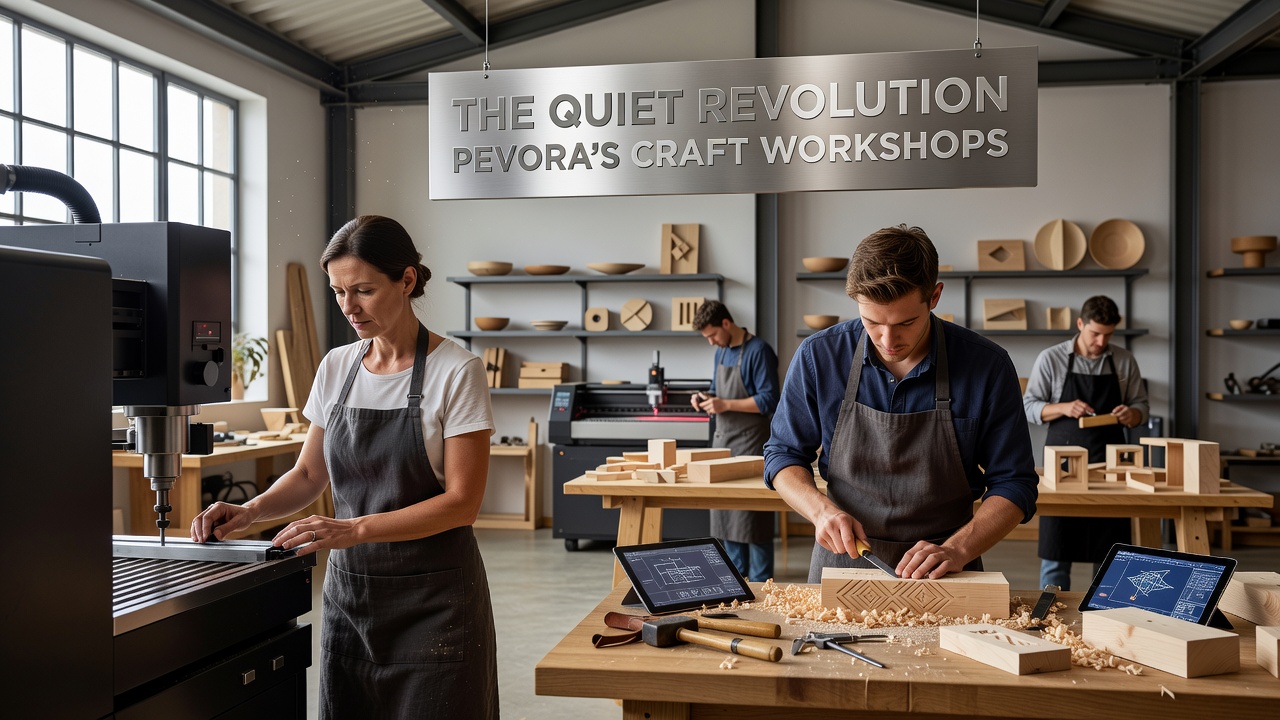
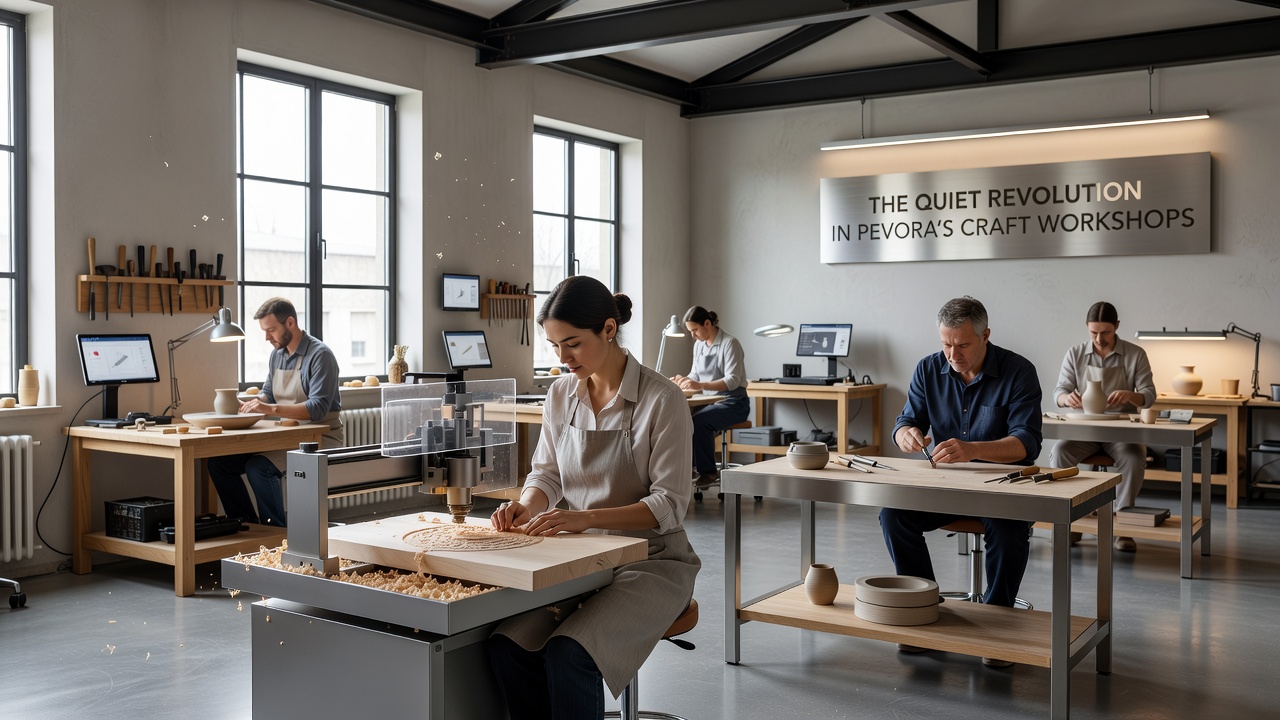
Workshops in Pevora have undergone gradual adaptations in recent years as artisans blend longstanding techniques with updated processes that address changing material availability and market demands, according to records from regional trade associations. These modifications appear quietly across multiple sites where woodworkers, weavers, and metalworkers operate daily, and observers note that production volumes remain steady even as methods evolve.
Historical Context of Local Workshops
Pevora's craft sector traces roots back several generations when families passed skills through direct apprenticeships, yet recent documentation shows that enrollment in formal training programs has increased steadily since the early 2010s. Government statistics from the regional economic development office reveal that more than 180 active workshops now operate across the area, and many of these spaces have introduced shared equipment pools that reduce individual costs for specialized machinery. Data collected through local business registries indicates that collaborative purchasing arrangements cover items such as precision lathes and dye vats, while individual ownership of core hand tools continues unchanged.
Integration of New Practices Since 2024
By mid-2025 several workshops began testing sustainable sourcing protocols that align with updated supply chain guidelines issued by the European Cultural Heritage Network, and these protocols require documentation of raw material origins for every batch of finished goods. Artisans report that compliance involves additional record-keeping steps, yet the process has not altered core production timelines in most cases. One workshop collective located on the eastern edge of Pevora implemented a digital inventory system that tracks stock levels in real time, and this tool connects directly to supplier databases maintained by regional forestry cooperatives. Figures from the cooperative's annual summary show that material waste rates dropped by 12 percent in participating sites during the first year of use.
Another development involves cross-training sessions where experienced weavers demonstrate traditional loom setups to newer participants who bring backgrounds in graphic design software. These sessions occur monthly at the central community hall, and attendance records indicate consistent participation from 35 to 45 individuals each time. Participants combine hand-weaving methods with pattern files created on computers, which allows for repeatable motifs while the final textile retains its tactile qualities.
Economic and Community Effects
Local sales data compiled by the Pevora Chamber of Commerce shows that craft product revenue grew by 8 percent between 2023 and 2025, and this growth coincides with increased online visibility for several workshops that adopted standardized product photography guidelines. Retail partners in neighboring regions have placed larger standing orders for items such as carved utensils and woven baskets, and those orders now include requirements for material certification labels. Researchers at the University of Milan documented similar certification trends across multiple European craft regions in a 2025 study, and their findings highlight how such labels can open access to broader distribution networks without requiring changes to production scale.
Community events held in September 2026 will feature demonstrations of these adapted techniques, and organizers expect participation from workshops that have completed the certification process. Event planning documents list workshops from three different districts, and the schedule includes both morning production tours and afternoon discussion panels on supply sourcing. Attendance projections based on prior gatherings suggest several hundred visitors may attend over the course of the weekend.
Future Directions for Workshop Operations
Industry reports from the Craft and Design Research Institute in Canada project continued gradual adoption of material tracking tools across small-scale production sites, and these projections extend through 2028. Workshops in Pevora appear positioned to incorporate additional elements such as shared energy monitoring systems that track electricity use during peak production periods. Such systems would connect to existing inventory software, and early pilot tests at two sites have already produced usage reports that help identify periods of high demand for specific equipment.
Observers note that these incremental updates preserve the core identity of each workshop while addressing practical constraints around resource management and record accuracy. Training programs continue to expand enrollment options, and partnerships with nearby educational institutions provide access to short certification modules on sustainable practices. Data from the regional education authority indicates that completion rates for these modules have reached 78 percent among participating artisans during the past two cycles.
Conclusion
Records and reports compiled through multiple organizations illustrate how Pevora's craft workshops maintain operational continuity while incorporating measured updates to sourcing, documentation, and training methods. Participation in upcoming September 2026 events will likely provide further visibility into ongoing adjustments, and continued collection of sales and material data will allow for ongoing assessment of these patterns across the sector.